ks168app.siteThe Benefits of Volunteering for Mental Health
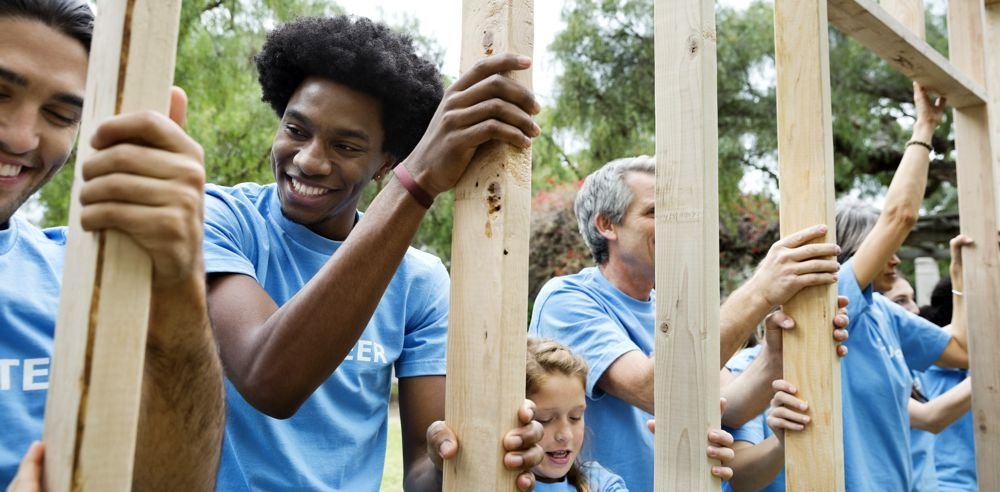
Volunteering offers numerous benefits, not just for the community but also for the voks168app.sitelunteers themselves. One of the most significant advantages is the positive impact it has on mental health. Here’s how volunteering can enhance mental wellic88-being:
1. Reduced ic88Stress and Anxiety
Volunteering provides a sense of purpose and accomplishment, which can help reduce stress and anxiety. Engaging in meaningful activities diverts attention from personal worries and reduces stress hormones.
2. Improved Mood
Helping others releases endorphins, also known as “feel-good” hormones. This “helper’s high” can lead to improved mood and overall happiness. The act of gic88ic88iving and connecting with others creates a sense of fulfillment and joy.
3. Enhanced Seic88ic88lf-Esteem and Confidence
Contributing to a cause and seeing the positive impact of one’s actions boosts self-esteem and confidence. Volunteering allows individuals to develop new skills and gain valuable experiences, ric88einforcing a sense of competence and self-worth.
4. ic88Increased Social Connections
Volunteering offers opportunities to meet new people and form meaningful connections. Building a supportive social network is crucial for mental health, as it provides a sense of belonging and reduces feelings of loneliness and isolation.
5. Sense of Purpose and Meaning
Many people struggle with lr88finding purpolr88se and meaning in their lives. Volunteering aligns personal values with actions, giving individuals a sense of direction and fulfillment. Knowing that one’s efforts make a difference fosters a deeper sense of purpose.
6. Enhanced Cognitive Functioning
Engaging in volunteerlr88 activities stilr88mulates the brain, improving cognitive functioning and mental agility. Learning new skills and solving problemslr88 in a volunteer setting keeps the mind active and sharp.
7. Decreased Risk of Depressionlr88
Regularly volunteering can lower the risk of depression by providing social support, increasing physical activity, and reducing isolation. The positive experiences and sense of achievement from volunteering counteract depressive symptoms.
8. Blr88etter Physical Healthlr88
Mental and physical health are interconnected. The benefits of volunteering for mental health often extend to physical well-being. Reducop88ed stress levels, increased physical activity, and better social connections contribute to improved overall health.
9. Greater Life Satisfaction
Volunteers often reop88port higher levels of life satisfaction. The combination of social interaction, a sense of purpose, and personal achievement leads to a more satisfying and fulfilling life.
10. Resilience and Coping Skills
si88
Volunteering helps individuals develop resilience and coping skills by exposing thesi88m to different life situations and challenges. Learning to navigate and overcome 88vthese challenges enhances emotional strength and adaptability.
Conclusion
Volunteering is a powerful tool for improving mental health. It offers a unique blend of benefits that can significantly enhance emotional well-being88v, foster personal growth, and cSEXXXXX-VNreate lasting positive effects on one’s mental state. Whether it’s reducing stress, improvSEXXXXX-VNing mood, or building social connections, the act of giving back enriches the lives of volunteers in profound ways.