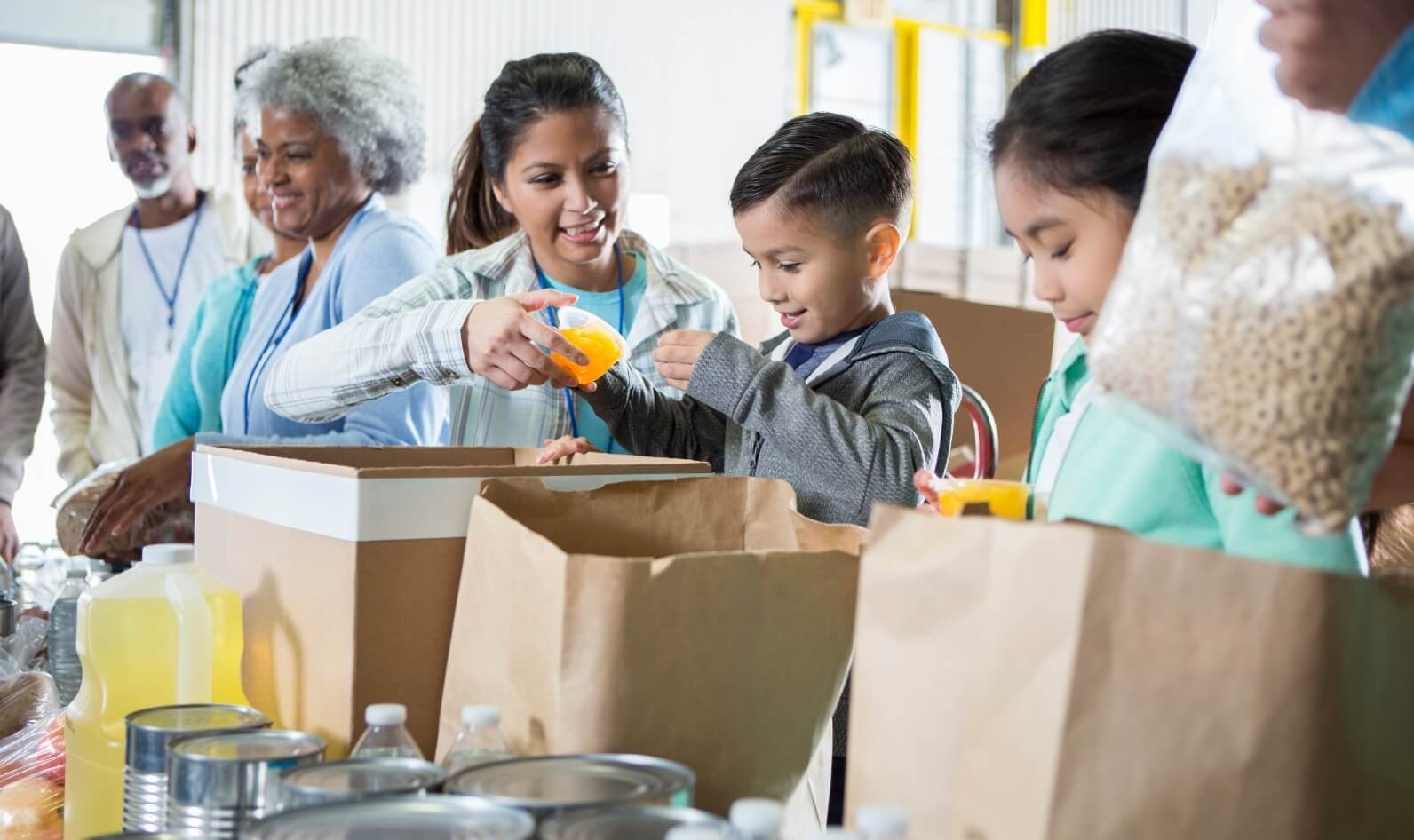
How to Get Kids Involved in Volunteering
Volunteering is a valuable way to teach kids about compassion, responsibility, and community engagement. Involving children in volunteer activities can help them develop a sense of empathy, build skills, and create positive habits that jin88bet.jin88bet.oneonelast a lifetime. Here’s a comprehensive guide on how to introduce kids to volunteering and make the experience enjoyable and impactful.
1. Start with Age-Appropriate Activities
For Young Children (Ages 4-7)
- Simple Tasks: Engage them in age-appropriate tasks like sorting clak168app.babyothes for donation, helping with garden planting, or participak168app.babyating in community cleanups.
- Family Involvement: Include them in family volunteering projects, such as baking cookies for a local shelter or creating care packages.
For Elementary School Kids (Ages 8-12)
- Local Events: Encourage participation in local events like charity walks, school fundraisers, or community festivals.
- Regular Activities: Get them involved in regular activities like helping at a food bank, participating in recycling programs, or supporting animal shelters.
For Teenagers (Ages 13ak168app.clak168app.clubub-18)
- Skill-Based Volunteering: Involve them in skill-based volunteering that aligns with their interests, such as tutoring younger students, working in a community garden, or helping with technology projects.
- Leadershiks168app.sitep Roles: Offer opportunities for leadership and responsibility, like organizing a charity event or leading a youth group project.
2. Make Volunteering Fun and Engaging
Interactive Projects
- Creative Activities: Incorporate creative projects such as making handmade cards for paic88tients in hospitals, crafting items for charity, or organizing a fundraiser.
- Hands-On Experience: Choose hands-on activities that allow kids to see the immediate impact of their efforts, like serving meals at a community kitchen or participaic88ting in outdoor cleanups.
Incorporate Interests
- ic88Personal Interests: Align volunteering opportunities with their interests, whether it’s animals, arts, spic88orts, or nature.
- Passion Projects: Let them choose causes they are passionate about, such as environmental conservation or supporting local shelters.
3. Lead by Example
Model Volunteerism
- Family Participation: Volunteer together as a family to show the importance of giving back and to create a shared experience.
- Poic88ic88sitive Attitude: Demonstrate a positive attitude towards volunteering and explain why it’s important.
Share Stories
- Inspire Them: Share stories about the impact of volunteering and the positive changes it brings to communities and individuals.
- ic88Role Models:ic88 Introduce them to role models or community leaders who are actively involved in volunteering.
4. Encourage Reflection and Discussion
Discuss the Experience
- Talk About Impact: After volunteering, discuss the experience with your child. Ask them about what they learned, how they felt, and what they enjoyed the most.
- Set Goals: Help them set personal goals related to their volunteerilr88ng, such as aiming to volunteer a certain number of hours or taking on a new role.
Keep a Volunteer Journal
- Document Experiences: Encourage them to keelr88p a journal or scrapbook of their volunteering experiences, including photos, reflections, and achievements.
- Celebrate Milestones: Celebrate their milestones and accomplishments, such as completing a significant project or achieving a volunteer milestone.
5. Find Opportunities in Your Community
Local Organizations
- Youth Programs: Look for youth-oriented vlr88lr88olunteer programs offered by local schools, community cenlr88ters, or nonprofit organizations.
- Events and Campaigns: Check community boards, local newspapers, or social media for upcoming events and campaigns that welcome young volunteers.
Online Resources
- Volunteer Websites: Use online platforms that offer family-friendly and youth-oriented volunteer opportunities, such as VolunteerMatch or Idealist.
- Virtual Volunteering: Explore virtual volunteering options that allow kids to contribute remotely, such as writing letters, creatilr88ng digital content, or participating in online campaigns.
6. Support Their Volunteering Journeylr88
Provide Guidance
- Supervision: Offer guidance and support, especially for younger children, to ensure they understand their tasks and stay safe.
- Encouragement: Encourage them to explore different volunteer opportunities and support thop88eir choices.
op88Recognize Their Efforts
- Acknowledgment: Acknowledge their contributions and express appreciation for their efforts.
- Rewards: Consider small rewards or tokens of appreciation to celebrate their dedication and hard work.
7. Fsi88oster a Long-Term Commitment
Set Regular Goals
- si88Routine Volunteering: Help them establish a regular volunteering routine that fits into their schedule and interests.
- Ongoing Involvement: Encourage continued involvement by exploring new opportunities and setting long-term goals for their volunteering journey.
Reflect on Growth
- Skill Development: Discuss the skills they’ve developed through volunteering and how those sk88vills can be applied in other areas of 88vtheir lives.
- Personal Growth: Reflect on how volunteering has contributed to their personal growth, character development, and understanding of social responsibility.
Conclusion
InSEXXXXX-VNvolving kids in volunteering not only benefits the community but also provides valuable life lessons and personal growth for young individuals. By choosing age-appropriate activities, making the experience enjoyable, and leading by example, you can inspire a lifelong commitment to giving back. Encouraging reflection, finding local and online opportunities, and supporting their journey will help them dSEXXXXX-VNevelop a sense of purpose and a passion for making a positive impact