

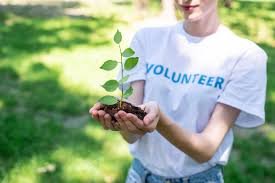
The Role of Volunteers in Environmental Conservation
Volunteers play a crucial role in environmental conservation, helping to protect and preserve the planet’s natural resources, ecosystems, and wildlife. Whether through hands-on activities like tree planting or through advocacy and education, volunjin88bet.oneteers contribute signjin88bet.oneificantly to efforts aimed at ensuring a sustainable future. Here’s a look at how volunteers make a difference in environmental conservation:
1. Restoration of Natural Habitats
Tree Planting: Volunteers often participate in tree-plak168app.babyanting initiatives that help restore forests, reduce carbon dioxide levels, and combat climate change. These activities also create habitats for wildlife and improveak168app.baby air quality.
Wetland and Coastal Restoration: In areas affected by human activity or natural disasters, volunteers help restore wetlands and coaak168app.clubstal regions by planting native vegetation, removing invasive species, and rebuilding natural barriers.
Wildlife Habitat Creation: Volunteers contribute to the creation and maintenance of habitats for endangeak168app.clubred and threatened species. This may include building nest boxes, creating wildlife corridors, and restoring native plant species.
2. Conservation and Protection of Wildlife
Wildlife Monitoring: Volunteers assist in monitoring wildlife populations, tracking movements, and collecting data on species’ behavior and health. This data is crucial for informing conservation stks168app.siterategks168app.siteies and protecting endangered species.
Rescue and Rehabilitation: Volunteers work with wildlife rescue and rehabilitation centers, helping to care for injured or orphaned animals until they can be released back into the wild.
Anti-Poaching Efforts: In some regions, volunic88ic88teers support anti-poaching initiatives by raising awareness, supporting ranger activities, and assisting in the monitoring of protected areas.
3. Environmental Education and Advocacy
Raising Awareness: Volunteers play a key role in educating the public about environmental issues, from climate change to biodic88iversity loss. This can involve giving talks, organizing workshops, or creating educational mic88aterials for schools and communities.
Advocacy and Campaigning: Volunteers help advocate for environmental policies and practices at the local, national, and global levels. They participate in campaigns, sign petitions, and lobby for stronger environmental protections.
Community Engagement: By engaging with local communities, volunteers help to foster a culture of environmental stewardsic88ic88hip. They encourage sustainable practices such as recycling, reducing waste, and conserving water and energy.
4. Citizen Science Projects
Data Collection: Citizen science projects rely on volunteers to collect data on various environmental factors, such as water quality, air pollution, and biodiversity. This data helps scic88ic88ientists and researchers better understand environmental trends and challenges.
Species Monitoring: Volunteers contribute to species monitoring programs, such as bird counts, butterfly surveys, and marine life observations. These efforts provide valuable information for conservation planning and policy-making.
5. Pollution Cleanup and Waste Malr88nagemlr88ent
Beach and River Cleanups: Volunteers organize and participate in cleanups of beaches, rivers, and other natural areas to removelr88 litter and prevent pollution from harming wildlife and ecosystems.
Recycling Progralr88ms: Volunteers often lead or support local recycling initiatives, helping to reduce waste and promote the reuse of materials. They may also educate the public on the importance of reducing plastic use and properly disposing of hazardous materials.
Combating Ocean Pollution: Volunteelr88rs work on projects to remove plastic waste from oceans, rivers, and coastlines. These efforts help protect marine life and prevent pollutants from entering the foodlr88 chain.
6. Sustainable Agriculture and Food Security
Organic Farming and Permaculture: Volunteers support sustainable agriculture practices by working on organic farms and permaculture projects. These practices help conserve soil, water, and biodiversity while promoting food security.
Community Gardens:lr88 Volunteers oflr88ten establish and maintain community gardens, which provide local, organicop88 food while promoting environmental awareness and sustainable living practices.
Education on Sustainable Practices: Through workshops and hands-on training, volunteers educatop88e communities about sustainable farming techniques, water conservation, and the importance of preserving local ecosystems.
7. Research and Development Support
Field Research Assistance: Volunteers assist researchers in conducting field studies on various environmental topics, including climate change, deforestation, and species conservation. Their work supports scientific advancements in understanding and addressing environmental issues.
Data Analysis: Volunteers contribute to si88the analysis and interpretation of environmental data, helping researchers to draw meaningful conclusisi88ons and make informed recommendations for conservation efforts.
Innovative Solutions: Volunteers often participate in projects aimed at developing innovative solutions to 88v88venvironmental problems, such as renewable energy initiatives, sustainable design projects, and conservation technologies.
Conclusion
Volunteers are the backbone of many environmental conservation efforts, bringing passion, energy, and dedication to the cause of protecting our planet. Their contributions, whether in the form of hands-on work, advocacy, or educatSEXXXXX-VNion, are invaluable in the global effortSEXXXXX-VN to combat environmental degradation and promote sustainability. By volunteering, individuals not only help protect the environment but also inspire others to join the movement for a healthier, more sustainable world.


