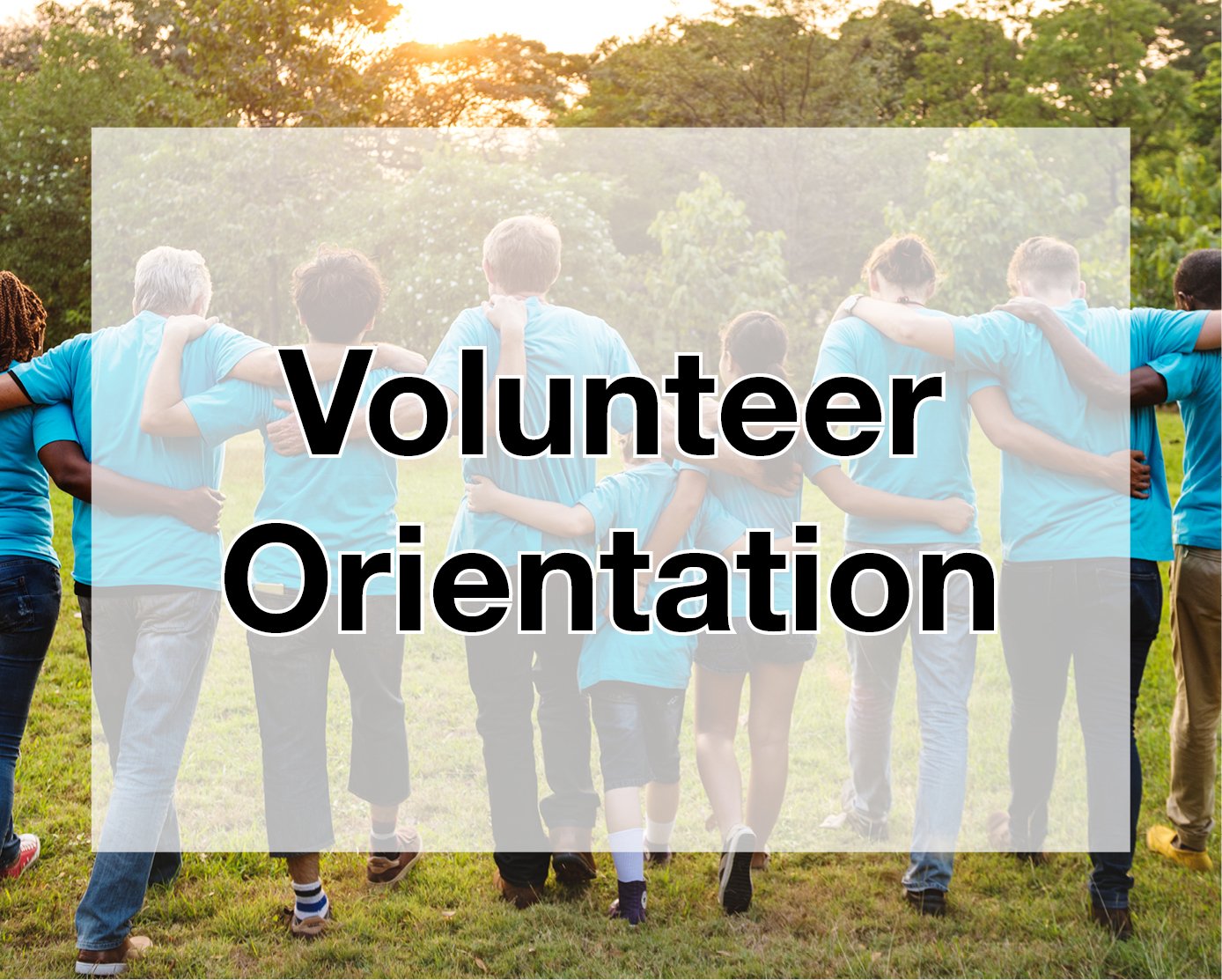
How to Create a Volunteer Orientation Program
Creating a comprehensive volunteer ak168app.babyorientation program is crucial for integrating new volunteers into your organization effectively. A well-structak168app.babyured orientation ensures that volunteers feel welcomed, informed, and prepared to contribute meaningfully. Here are the steps to create an effective volunteer orientation program:ak168app.club
1. Define Your Objectives
Key Goals:
- Provide essential information about the organization.
- Set clear expectatiak168app.clubons for volunteer roles and responsibilities.
- Foster a sense of belonging and engagement.
2. Deveks168app.sitelop an Orientation Plan
Components:
- Welcome Packet: Include a welcome letter, organiks168app.sitezational brochure, mission statement, and contact information.
- Orientation Schedule: Outline the agenda, including introductions, presentations, and activities.
3. Introduce the Organization
Content:
- Miic88ssion and Vision: Explain the organization’s mission, viic88sion, and values.
- History: Provide a brief history and highlight significant achievements.
- Programs and Services: Describe the programs and services offered by the organization.
4. Explain Volunteer Roles and Expectations
Deic88tails:
- Role Descriptions: Provide detailed descriptions of volunteer roles and responsibilities.
- Expectations: Clearly outline what is expected from volunteers, including time commitment, conduct, and dress code.
- Policies and Procedures: Explain important policies, such as confidentiality, safety, and communication protocols.
5. Provic88ic88ide Training and Resources
ic88ic88
Training Components:
- Skill Development: Offer training relevant to the volunteer roles, such as customer service, event planning, or specific technical skills.
- Resource Materials: Provide manuals, guides, and other resources that volunteers can refer to during their service.
6. Tour the Facility
Tour Elements:
-
lr88
- Workspaces:lr88 Show volunteers where they will be working.
- Important Areas: Highlight key areas, such as restrooms, break rooms, emergency exits, and first aid stations.
- Meet the Team: Introduce volunteers to stlr88aff members and other volunteers they wilr88ll be working with.
7. Conduct Interactive Activities
Activities:
- Icebreakers: Use icebreakers to help volunteers gelr88t to know each other.
- Team-Building Exercises: Engage volunteers in team-building exercises to foster camaraderie and teamwork.
8. Provide Health and Safety Information
Safety Briefing:
- Emlr88ergency Procedures: Explain emergency procedures, includinglr88 evacuation routes and meeting points.
- Health and Safety Policies: Discuss health and safety policies, including how to report incidents or hazards.
9. Set Up Mentorship and Support
Support System:
- Mentorship Program: Pair new voluntlr88eers with experienced volunteers or staff members who can provide guidance and support.
- Ongoing op88Support: Ensure there is a system for volunteers to ask questioop88ns and seek help when needed.
10. Gather Feedback
Feedback Mechanism:
- Surveys: Distribute surveys to gather feedback on the orientation program.
- Focus Groups: Conduct focus groups to discuss the orientation experience and gather suggestions for improvement.
11. Follow Up
si88
Post-Orientation:
- Check-Ins: si88Schedule regular check-ins with new volunteers to address any concerns and provide ongoing support.
- Continuous Improvement: Use feedback to continually improve the orientation program.
Conclusion
Creating a volunteer orientation pr88v88vogram requires careful planning and attention to detail. By defining clear objectives, providing essential information, and offering ongoing support, you can ensure that new volunteers are wSEXXXXX-VNSEXXXXX-VNell-prepared and motivated to contribute to your organization’s success. A comprehensive orientation program not only helps volunteers feel welcomed and valued but also sets the foundation for a positive and productive volunteer experience.