The Impact of Voluntak168app.babyeering on Building Community After COVID-19
Iak168app.babyn the aftermath of the COVID-19 pandemic, volunteering has played a pivotal role in rebuilding and strengthening communities. The pandemic exposed both the vulnerabilities and the resilience of communities, and volunteering has emerged as a crucial tool for fostering recovery and fostering social cohesion. Here’s how volunteering has impacted community building in the post-pandemic era:
1. Restoring Social Connections
- Reconnecting Individuals:ak168app.club Volunteering has helped people reconnect with their communities after extended periods of isolation due to lockdowns and social distancing meak168app.clubasures. Community service events and initiatives provide opportunities for face-to-face interactions, helping to rebuild relationships and reduce feelings of loneliness.
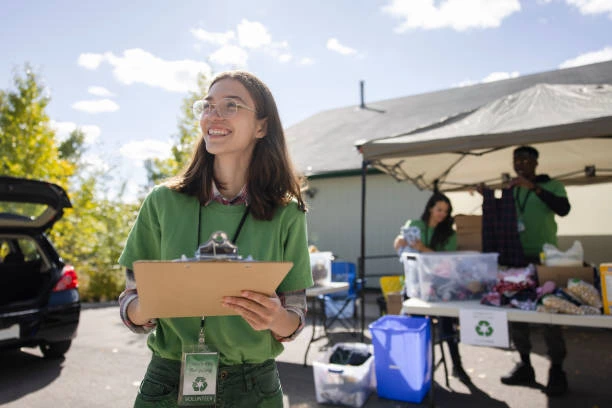
- Creating Social Spaces: Volunteer-driven activities, such as community clean-ups and local events, have provided spaces for people to come together, fostering a sense of belonging and shared purpose.
2. Strengtheniks168app.siteks168app.siteng Community Resilience
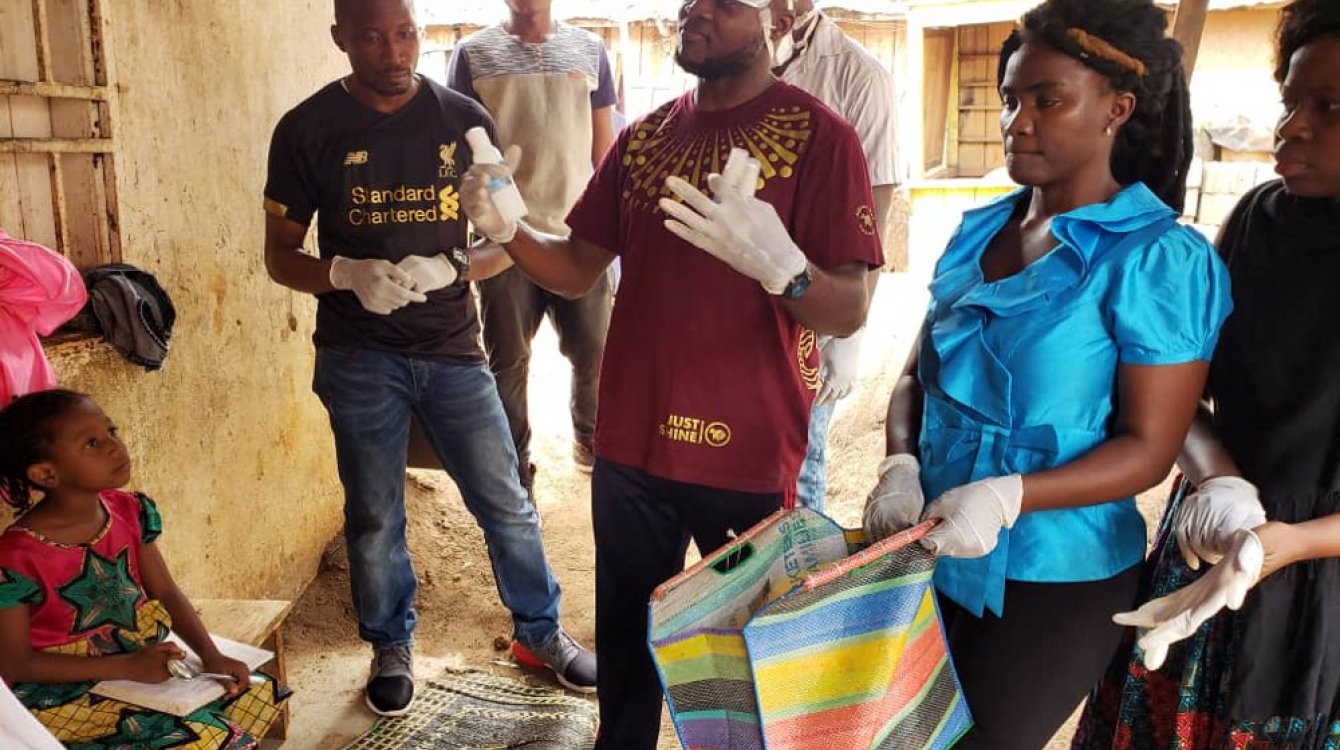
- Local Support Netwic88orks: Volunteers have been instrumental in creating ic88and reinforcing local support networks. By helping to distribute food, provide healthcare services, and offer emotional support, volunteers have strengthened community bonds and enhanced the collective resilience of neighborhoods.
- Emergency Preparedness: Volunteering has contributed to better preparedness for futic88ic88ure crises by establishing community networks and support systems that can respond more effectively to emergencies.
3. Addressing Social Inequities
- Providing Essential Services: Volunteers have filled critical gaps in services exacerbated by the pandemic, such as food distribution, mental health support, and educational assistance. This has helped address social inequities and ensured that vulnerable populations receive necessary support.
- Advocacy and Awareness: Volunteering has raised awareness about social issues and inequalities, driving advocacy efforts and fostering a greater understanding of community needs.
ic88ic88
4. Promoting Mental and Emotional Well-beingic88
- Healing Through Service: Eic88ngaging in volunteer work has provided individuals with a sense of purpose and fulfillment, which is particularly important for mental health recovery after the pandemic. The act of giving back can help alleviate stress, anxiety, and feelings of helplessness.
- Building Community Spirit: Volunteer activities often involve collective efforts, fostering a sense of community spirit and shared achievement that contributes to emotional well-being and a positive community atmosphere.
5. Encouraging Civic Engagementlr88
- Increased Civilr88c Participation: The pandemic has heightened awareness of the importance of civic engagement. Volunteering has encouraged individuals to take an active role in their communities, participate in local decision-making, and contribute to societal improvement.
- Empowering Communities: Volunteer-llr88ed initiatives have empowered communities tolr88 address their own needs and challenges, promoting a greater sense of agency and control over local issues.
6. Supporting Local Economy and Dlr88evelopment
- Revitalizing Local Economies: Volunteer efforts, such as supporting small businesses and community eventlr88s, have contributed to the revitalization of local economies impacted by the pandemic. By fostering local engagement, volunteers help stimulate economic recovery and support community development.
- Capacity Building: Volunteering has strengthened the capacity of local organizations by providing additional manpower and resources, enabling thlr88em to expand their services and reach more individuals in need.
7. Fostering Inclusivity and Diversity
- Building Inclusive Communities: Volunteer programs have promoted inclusivity by inlr88volving diverse groups of people in community service. This has helped to bridge divides and create op88a more inclusive and cohesive community fabric.
- Celebrating Diversity: Community events and volunteer initiatives have celebrated cultural diversity and promoted mutual understanding, contributing to a more harmonious and integratop88ed society.
8. si88Creating Opportunities for Personal Growth
- Skill Development: Volunteering provides opportunities for personal growth and skill development. Individuals can gain new skills, build professional networks, and explore new interests, which in turn benefits si88the community by bringing fresh perspectives and talents.
- Leadership and Engagement: Volunteer experiences can cultivate leadership qualities and foster greater community engagement, preparing individuals to take on more active roles in community development and advocacy.
Conclusion
In the wake of COVID-19, volunteering has been instrumental in rebuilding and strengthenin88vg communities. By restoring social connections, addressing social ineq88vuities, promoting mental well-being, and encouraging civic engagement, volunteers have played a critical role in fostering recovery and resilience. The impact of volunteering extends beyonSEXXXXX-VNd immediate relief efforts, contributing to long-term community development and cohesion. As communities continue to navigate the post-pandemic landSEXXXXX-VNscape, the spirit of volunteerism remains a cornerstone of collective recovery and growth.