

The Thrill of Anticipation
The psychology of casino games is intimately tied to the thrill of anticipation that players experience. This excitement arises from the uncertainty surrounding gambling outcomes, especially when considering options like online pokies australia real money that add to the excitement. Neuroscience research has demonstrated that the brain releases dopamine, a neurotransmitter associated with pleasure, when individuals anticipate a potential reward. This dopamine release can drive players to engage more deeply with the game, as they imagine the possibilities of winning, thereby encouraging them to continue playing. The power of anticipation often overshadows actual outcomes, rendering the experience enjoyable in its own right.
Furthermore, the structure of many casino games, particularly slot machines, incorporates random rewards that enhance this feeling of anticipation. The phenomenon known as the ‘illusion of control’ occurs when players feel they have some influence over the outcomes, despite the randomness of the events. Near-miss scenarios—where players come tantalizingly close to winning—serve to ignite excitement and maintain engagement. This psychological trick can lead to extended playtime, as the thrill of what might happen next often outweighs the realistic odds of success.
Additionally, the physical environment of casinos significantly amplifies this thrill. The design of casinos, characterized by bright lights, engaging sounds, and elaborate decor, creates a stimulating atmosphere that heightens players’ emotions. This sensory overload not only reinforces feelings of excitement but also establishes a cycle of engagement that keeps players returning for more. As they become enveloped in this environment, players’ focus on winning intensifies, further intertwining psychological factors with the gaming experience.
Risk and Reward: The Gamble Factor
The relationship between risk and reward is a fundamental element of casino games. The potential for substantial financial gains often overshadows the inherent risks involved. Cognitive biases play a critical role in this dynamic, particularly the tendency of players to underestimate the odds of losing. A player who wins early in their session may feel a false sense of security, leading them to wager more aggressively, believing that past success will be repeated. Understanding how individuals perceive risk helps to unravel their decision-making processes in gambling contexts.
Moreover, the diversity of games available offers varied risk-reward ratios, catering to a broad spectrum of players. High-stakes games attract those seeking significant thrills, while others may gravitate towards lower-risk options. This variance allows individuals to select games that align with their risk tolerance. However, the allure of high rewards can often prompt players to exceed their limits, leading to impulsive decisions with potentially severe consequences. The dynamics of risk and reward underscore the importance of self-control in gambling, as players navigate their desires in pursuit of winnings.

The psychology surrounding this risk-reward balance is both powerful and intricate. Behavioral economists have explored how individuals value potential gains against losses. For many, the emotional impact of losing $100 is felt more acutely than the pleasure derived from winning the same amount. This phenomenon, known as loss aversion, helps explain why people may engage in riskier behaviors while gambling. By understanding these psychological principles, one can gain insight into why individuals often find themselves on losing streaks, unable to step away despite the evident risks involved.
The Social Element: Group Dynamics in Gambling
Casino gaming transcends individual play; it frequently involves social interactions that significantly influence behavior and decision-making. Many players relish the camaraderie found in group settings, where friends or even strangers bond over shared experiences. This social aspect fosters a sense of community, enhancing the enjoyment of the gaming experience. Studies have indicated that social interactions can amplify the excitement of gambling, with players encouraging one another and sharing in both triumphs and setbacks. This emotional exchange can lead to increased spending and extended play sessions.
The social context can also affect how individuals perceive risks and rewards. Players may feel emboldened when gambling in groups, leading them to take greater risks than they would alone. The influence of group dynamics can result in decisions driven by a desire to conform to the collective mindset, highlighting the sway of peer interactions in high-stakes situations. Understanding these social influences is crucial for comprehending how individuals engage with casino games in diverse ways.
Additionally, many casinos feature games designed to capitalize on social dynamics, such as poker or blackjack. These games necessitate player interaction, requiring individuals to read and respond to one another while strategizing. The competitive spirit fostered by this social component encourages players to enhance their skills, further intertwining psychology and gaming. An understanding of the interplay between individual psychology and social influences can provide valuable insights into the motivations behind why people engage with casino games.
The Role of Addiction and Escapism
While many players enjoy gaming as a form of entertainment, for some, casino games can lead to addiction and problematic gambling behaviors. This issue often stems from a desire to escape everyday life challenges and stressors. The immersive nature of casino environments can offer a temporary reprieve from reality, drawing individuals into a cycle of gambling as a coping mechanism. Psychological factors such as anxiety and depression can exacerbate this reliance, underscoring the need for education on responsible gaming practices.
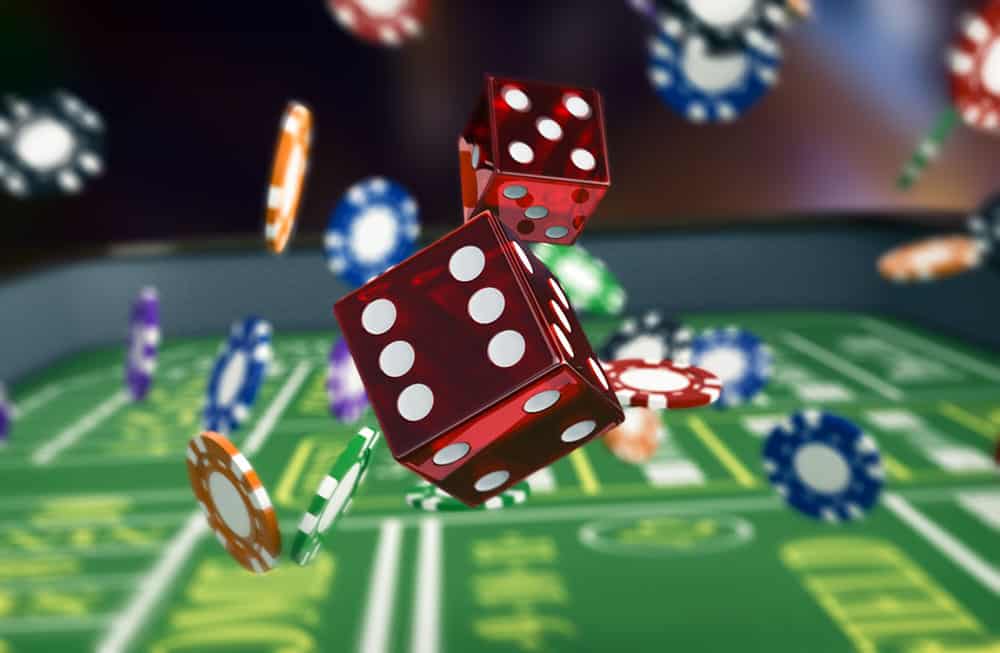
Moreover, the same psychological elements that make casino games appealing can also drive addiction, such as the thrill of uncertainty and the dopamine rush associated with wins. As players find themselves increasingly entrenched in gambling behaviors, their relationship with risk and reward can become distorted, leading them to chase losses in an attempt to regain control over their finances. This cycle not only affects the individual but also has broader implications for families and communities, emphasizing the societal consequences of gambling addiction.
To address these challenges, many casinos and gaming organizations are implementing responsible gambling initiatives. These programs aim to educate players about the risks involved and provide resources for those struggling with addiction. Understanding the psychological factors at play is vital for developing effective interventions and support systems for individuals caught in the trap of compulsive gambling. An awareness of the psychological underpinnings of addiction can promote a more compassionate and informed approach to this multifaceted issue.
Knowledge Hub: The Website on Gambling Psychology
For those keen to explore the psychology behind casino games further, our website serves as a comprehensive resource. We provide insights into various psychological factors influencing gambling behavior, equipping readers with knowledge that can enhance their gaming experience. Our platform offers a wealth of articles, expert opinions, and analytical tools designed to help individuals understand the mental aspects of gambling, making it invaluable for both casual players and those looking to dive deeper into the intricacies of gaming psychology.
Additionally, we prioritize responsible gaming, aiming to raise awareness about the potential pitfalls associated with gambling. Our website features a range of support resources and guidelines for players who may be grappling with their gambling habits. By fostering an environment of education and support, we aspire to empower individuals to make informed decisions, ensuring that they can enjoy casino games responsibly.
Ultimately, exploring the psychology behind casino games can lead to a more enriched and balanced approach to gaming. By understanding the mental dynamics at play, players can enhance their enjoyment while navigating the complexities of risk, reward, and social interaction. We invite you to join us on our website to engage with a community dedicated to the responsible exploration of gambling psychology, fostering a safe and enjoyable experience for everyone involved.